Intelligent Monitoring of Generators and Operating Hours
The challenge in critical power generation infrastructure
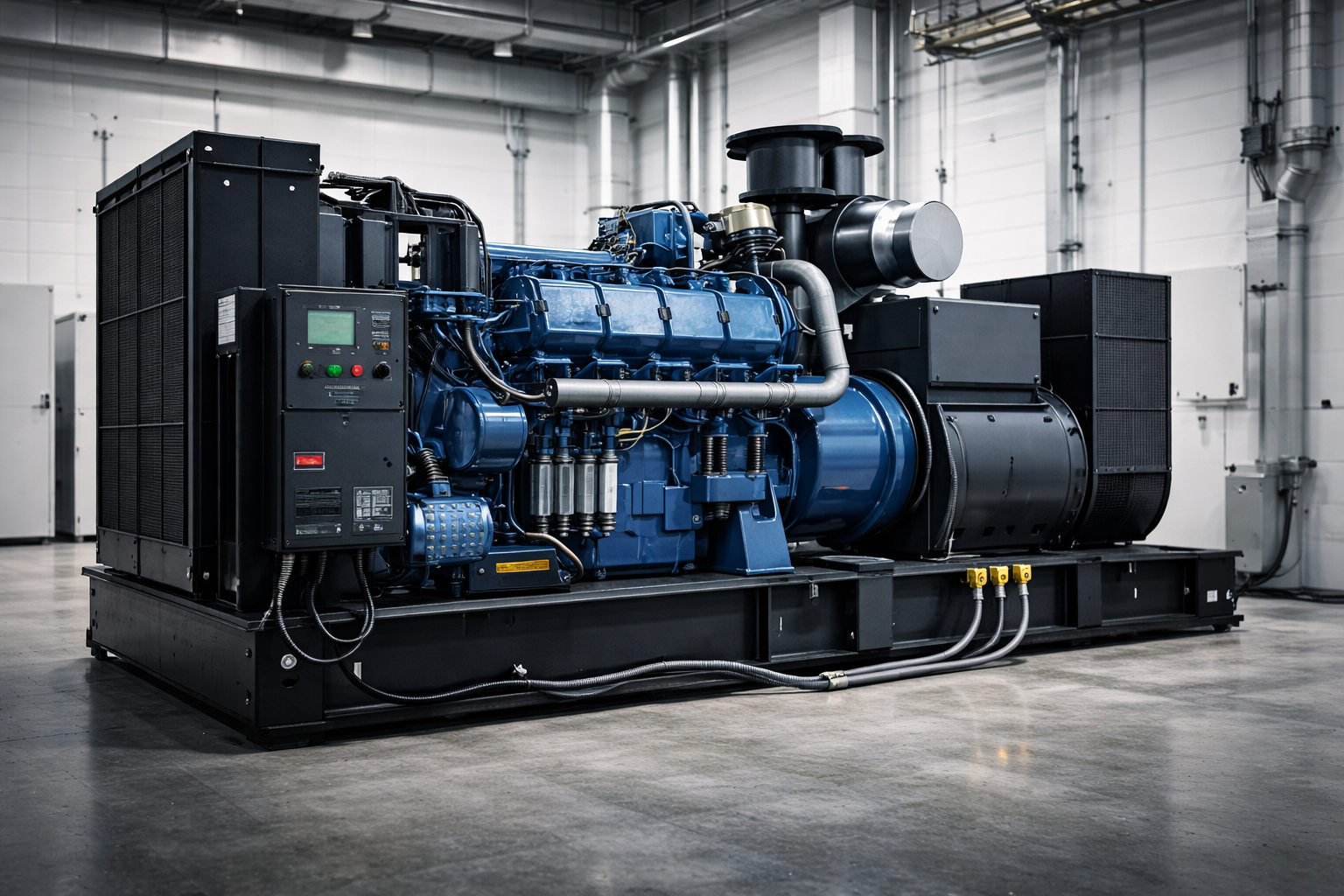
Electric generators—diesel, gas or hybrid—play an essential role in industrial environments, utilities, telecommunications, hospitals and data centres. In many cases, they are not primary assets, but they are strategic assets. Failure at the wrong time can compromise operational continuity, safety and corporate reputation.
In most facilities, generator monitoring is limited to periodic inspections, local alarms or manual reading of operating hours. This reactive approach prevents efficient maintenance management, hinders planning and limits integration with corporate energy digitalisation strategies.
The real challenge is not knowing whether the generator starts.
The challenge is to convert its operation into structured, exploitable data.
The Nasatech solution
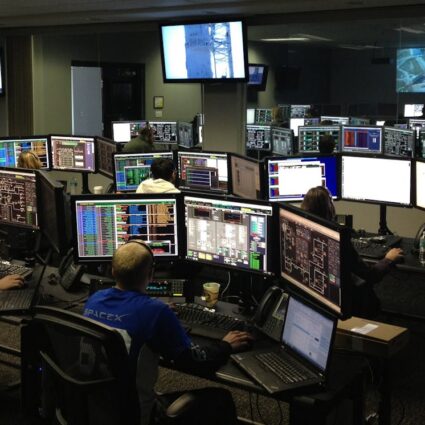
Nasatech implements an intelligent monitoring architecture that allows real-time supervision of the operational status and operating hours of electric generators, integrating critical variables into an Industrial IoT ecosystem prepared for OT/IT convergence.
The solution is designed for environments where energy availability is critical and where efficient maintenance management has a direct impact on costs and operational risk.
We capture and structure variables such as:
- Total operating hours
- Start-up/shutdown status
- Load level
- Temperature
- Voltage and frequency
- Fuel consumption (if available)
This data is integrated using industrial edge devices capable of capturing digital or analogue signals and publishing them securely under MQTT architecture.
Technical architecture geared towards OT/IT convergence
In the OT environment, the solution connects to the generator control panels or auxiliary sensors that detect operating status and key variables. There is no need to replace the existing control system; integration is non-invasive.
The captured data is processed locally in an industrial edge module that allows:
- Filtering signals
- Generate threshold events
- Detect abnormal operation
- Consolidate data before transmission
The information is then published via encrypted MQTT to the corporate IT environment, where it can be integrated into:
- Asset management platforms
- Preventive maintenance systems
- Corporate data lake
- Advanced analytics models
Structuring under a model aligned with ISA-95 and Unified Namespace principles ensures consistency across multiple generators, locations, and plants.
From reactive maintenance to predictive maintenance
Traditionally, generator maintenance is based on fixed schedules or estimated hours. Without centralised visibility, it is common to:
- Performing unnecessary maintenance
- Detecting faults too late
- Be unaware of actual usage patterns
- Failure to optimise fuel consumption
Intelligent monitoring allows operating hours, load conditions and thermal events to be correlated, enabling maintenance models based on actual usage and historical behaviour.
When generator data is integrated into the corporate data lake, algorithms can be applied to anticipate deviations, detect abnormal start-up cycles or identify patterns that indicate premature wear.
Operational and strategic benefits
The digitisation of electric generators enables:
- Real-time remote visibility
- Optimisation of maintenance plans
- Reduction in technical travel
- Improved fuel management
- Integration with ESG strategies and energy efficiency
- Multi-site consolidation under a common architecture
In organisations with multiple locations—such as telecommunications, utilities, or distributed industrial networks—centralised generator monitoring provides cross-functional control that did not previously exist.
Application in critical environments
The solution is particularly relevant in:
- Data centres with backup generators
- Remote telecommunications infrastructures
- Industrial plants with auxiliary generation
- Hospital facilities
- Electricity grids with distributed generation
- Hybrid projects with renewable energies
In these contexts, the ability to know the exact status of each generator in real time reduces operational risks and improves energy resilience.
Integration with corporate digital strategy
Generator monitoring should not be an isolated system. It is part of a broader energy digitalisation architecture where critical assets are integrated into the corporate data ecosystem.
By correctly structuring the variables and presenting them in a coherent model, the organisation can correlate generator operation with overall energy consumption, network events, power failures or backup strategies.
This turns a traditionally secondary asset into a source of operational intelligence.
Initial technical assessment
If your organisation operates electrical generators in critical environments and wishes to assess the current level of monitoring, data structuring, and OT/IT integration, it is possible to perform a technical diagnosis to analyse the existing architecture, the quality of available data, and the level of exposure to corporate platforms.
This analysis allows you to define a progressive roadmap to evolve from basic monitoring to a predictive and scalable architecture, aligned with industry standards and your organisation’s digital strategy.
Energy resilience begins with structured visibility of your generation assets.