Intelligent Temperature Monitoring in Power Transformers
The challenge in critical electrical infrastructure
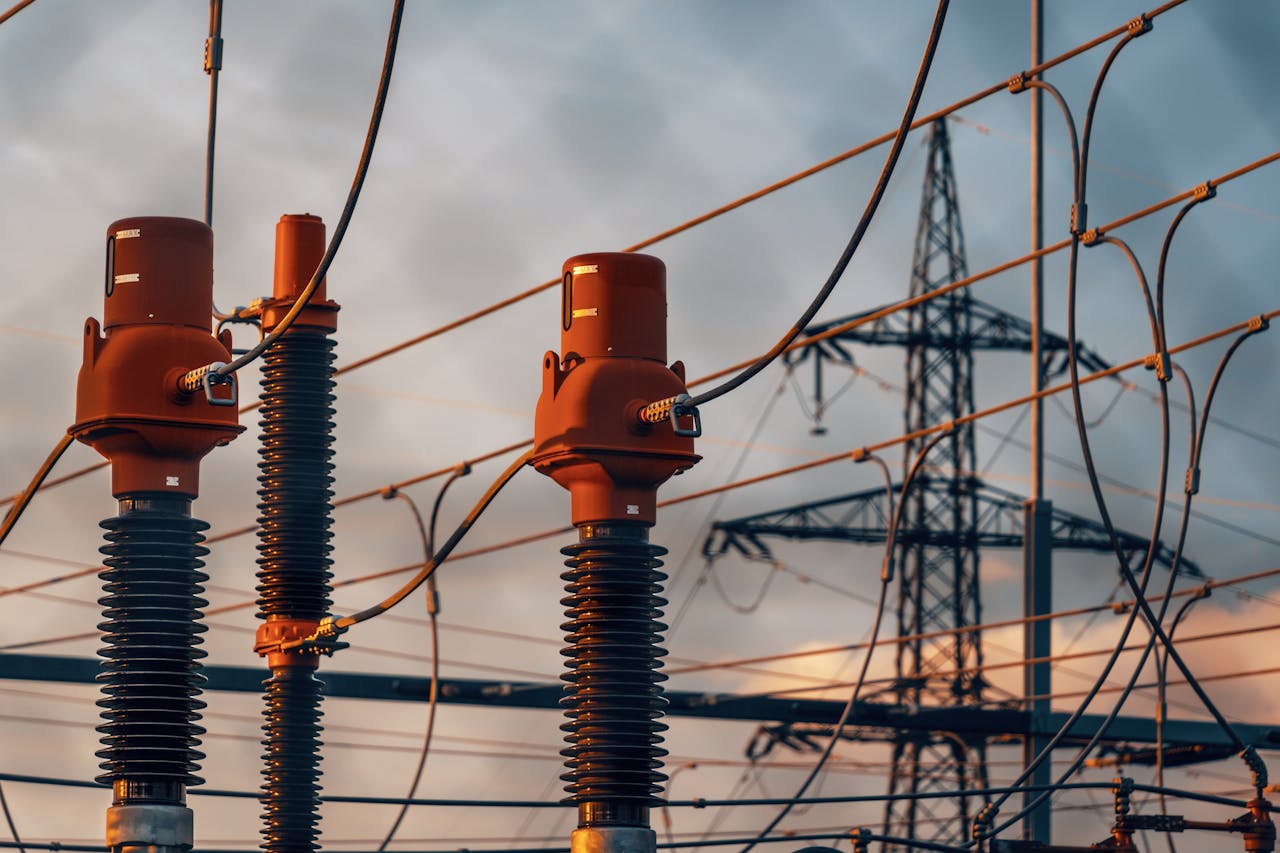
Power transformers are strategic assets within substations, industrial plants and electrical distribution networks. Their failure can cause supply interruptions, structural damage and significant economic losses.
Temperature is the main indicator of a transformer’s condition. However, in many infrastructures, thermal monitoring remains local, isolated or limited to basic SCADA alarms.
The problem is not measuring temperature.
The problem is not integrating it strategically into the corporate digital ecosystem.
The Nasatech solution
Nasatech implements an advanced thermal monitoring architecture that allows critical transformer data to be captured, structured and exposed to corporate platforms and Data Lake, enabling predictive maintenance and intelligent asset management.
The solution combines:
- Oil, winding and ambient temperature capture
- Integration with 4-20mA, RTD or PT100 signals
- Industrial edge processing
- Secure publication via MQTT
- Model structured under Unified Namespace
- Integration with asset management systems and advanced analytics
We do not replace the existing control system. We connect
it to the organisation’s digital strategy.
Technical architecture
At the OT level, thermal sensors are integrated with industrial edge modules capable of capturing analogue and digital signals. These devices perform local pre-processing, threshold detection and critical event generation.
The data is structured under a model aligned with ISA-95, allowing for clear identification of assets, location, variables, and operating context.
Through a secure and segmented MQTT architecture, the variables are published to the IT environment, where they can be integrated into:
- Corporate data lake
- Predictive maintenance systems
- Asset management platforms
- Industrial artificial intelligence models
The solution complies with OT/IT segmentation and industrial cybersecurity best practices.
What this solution enables
Continuous temperature monitoring in transformers enables:
- Early detection of overloads
- Identification of hot spots
- Prevention of accelerated insulation degradation
- Optimisation of maintenance cycles
- Extension of asset life
- Reduction of catastrophic failure risk
In addition, it allows thermal information from multiple substations to be consolidated within a single corporate architecture.
Sectors where we apply this solution
- Electric utilities
- High and medium voltage substations
- Wind and solar farms
- Heavy industry
- Industrial centres with high energy consumption
Technical assessment
If your organisation operates power transformers or critical electrical assets and you want to accurately understand the current level of thermal monitoring, OT/IT integration and actual data exploitation capacity, it is possible to carry out a structured technical diagnosis to identify gaps, risks and opportunities for improvement.
This analysis is not limited to reviewing existing sensors or alarm systems. It evaluates the entire architecture: from signal capture in the OT environment, data quality and frequency, structuring under standardised models, to secure exposure to corporate platforms, data lakes or predictive maintenance systems. The objective is to determine whether thermal information is being used solely as a local operational variable or whether it is actually part of a digital strategy geared towards resilience, optimisation and advanced analytics.
Based on this initial assessment, a progressive technical roadmap can be defined, aligned with industry standards and the corporate energy digitalisation strategy. This roadmap includes edge architecture, OT/IT convergence, structuring under a unified model, integration with asset management systems, and preparation for data-based predictive models.
The result is a clear view of the current state of your electrical assets and a realistic plan to evolve towards a predictive, secure and scalable architecture capable of transforming thermal monitoring into high-value operational intelligence.