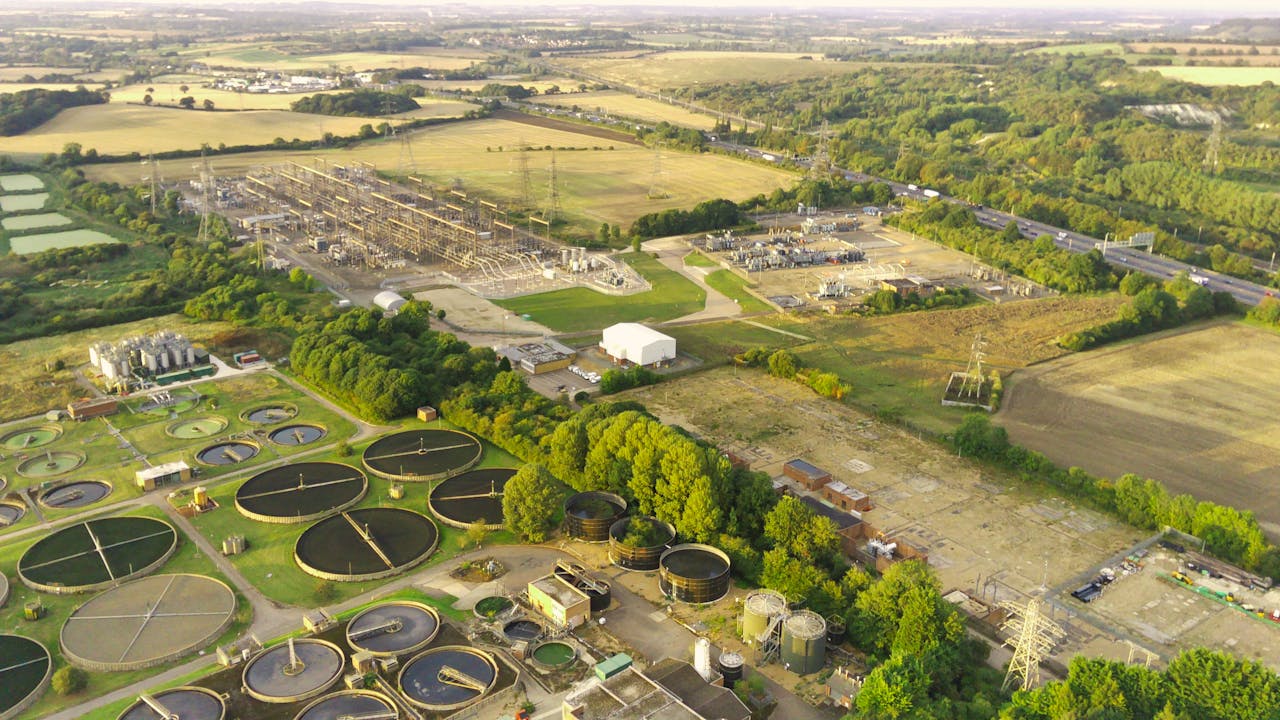
Nasatech Smart Wastewater Unit – Digitisation and optimisation of wastewater treatment units
Wastewater treatment units operate through multiple physical, chemical, and biological processes that require constant monitoring of critical variables such as flow, levels, dissolved oxygen, turbidity, equipment status, and energy consumption.
In many facilities, this data already exists within sensors, field instrumentation, PLCs, or SCADA systems. However, much of this information remains isolated in operating systems that are not connected to corporate analysis or management platforms.
This situation limits the ability to optimise treatment processes, improve energy efficiency or anticipate failures in critical equipment.
The challenge
Many treatment units operate with reliable instrumentation — 4-20 mA transmitters, Modbus devices or SCADA systems — that generate valuable data but are not integrated into the organisation’s digital ecosystem.
Replacing the entire existing infrastructure is often not feasible, but keeping it disconnected prevents the full potential of operational data from being realised and limits analysis, optimisation, and maintenance capabilities.
The Nasatech solution
Nasatech implements an industrial digitalisation architecture that allows operational data from the treatment unit to be captured without replacing existing instrumentation.
Signals from sensors, equipment and control systems are integrated into an architecture based on industrial MQTT and the Unified Namespace (UNS) model, allowing operational information to be centralised and structured under industrial models such as ISA-95.
In this way, the data generated in the field becomes part of a data platform accessible to the organisation’s entire digital ecosystem.
Field data capture
Nasatech captures information directly from the facility’s existing systems, integrating signals from sensors and industrial instrumentation.
The variables monitored include:
- Inlet and outlet flow
- Tank and reactor levels
- Dissolved oxygen in biological processes
- Turbidity and water quality
- Status of pumps, blowers, and agitators
- Energy consumption of critical equipment
Data capture can be performed using multiple industrial technologies such as 4-20 mA, Modbus RTU/TCP, NB-IoT or LoRaWAN, allowing adaptation to different operating environments.
Operational monitoring
The captured data is transformed into useful operational information by monitoring systems that allow the status of the installation to be viewed in real time.
This includes:
- 24/7 continuous monitoring
- Operational panels for operation and maintenance
- Configurable alerts for deviations or incidents
- Structured visualisation by process or asset.
This allows operators to quickly identify incidents, process deviations or equipment failures.
Data-driven optimisation
Once the information has been captured and structured, the platform allows operational data to be transformed into key indicators for plant management.
This includes:
- Treatment process performance KPIs
- Operational trend analysis
- Early detection of anomalies
- Automatic operation reports
Analysis of these indicators allows for improved treatment efficiency, optimised energy consumption and reduced operational risks.
Benefits
The digitisation of the treatment unit brings direct benefits to the daily operation of the facility:
- Greater visibility into the status of processes
- Integration of OT data with corporate systems
- Reduction in operational incidents
- Improved energy efficiency
- Technological basis for advanced analytics and artificial intelligence
Conclusion
The digital transformation of wastewater treatment units does not require the replacement of existing infrastructure. Through modern industrial data capture and structuring architectures, it is possible to convert the plant’s operational information into a key tool for improving the efficiency, reliability and sustainability of the operation.
Nasatech designs and implements these architectures, connecting sensors, equipment and industrial systems with data platforms capable of exploiting the true value of operational data.